
1. Ask, don't assume.
Try "How have you been feeling lately?" and then listen before offering solutions. Not every bad mood is hormonal. Sometimes something genuinely needs to change.
Free Women field guide · No. 01
She’s changing. Here’s how to keep up.
A practical guide to understanding menopause, recognizing the symptoms, and knowing how to help.
Start with three things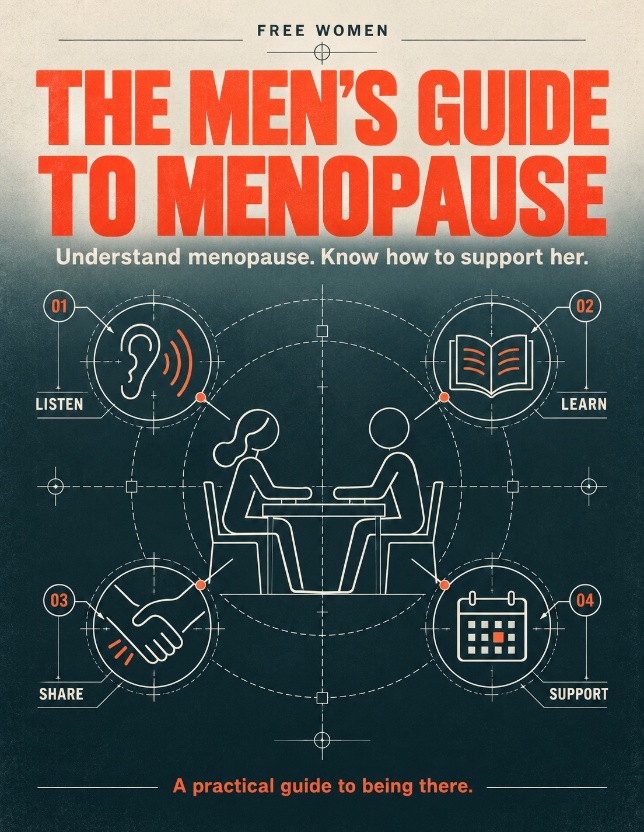
Start here
Short on time? Three things matter most.
Menopause is a natural transition, usually in the late 40s or early 50s, though it can begin earlier. It can affect sleep, mood, memory, joints, intimacy, and more, and no two women experience it the same way.
Try "How have you been feeling lately?" and then listen before offering solutions. Not every bad mood is hormonal. Sometimes something genuinely needs to change.
Broken sleep and a full mental load make everything harder. Pick up tasks without waiting to be asked.
Effective treatments exist, and she decides which are right for her, with medical advice. Your job isn't to diagnose or prescribe. It's to support.
A note on perspective: When someone we care about is struggling, our first instinct is often to try to fix it. But menopause isn't something to be repaired.
Read on to understand what's happening, what to look for, and how to navigate it together.
You've probably read a manual or two in your time. This one is for someone who matters far more.
Whether she's your wife, partner, mother, daughter, sister, friend, or colleague, there's a good chance you know a woman experiencing menopause.
You may have noticed some changes. Perhaps she's not sleeping well, she's exhausted, she's struggling to remember things, or she's suddenly less willing to tolerate things she once shrugged off.
Or perhaps she's keeping it entirely to herself and you haven't noticed a thing.
Either way, understanding menopause is worth a few minutes of your time.
You don't need to fix her. You just need to understand what's happening.
Welcome to the workshop.
Who is she to you? Reading as her partner? Start at Section 01 and read straight through. Reading for someone else? Jump to Section 04 and skip anything marked For partners:
Under the hood
Menopause is a natural biological transition, usually occurring between the ages of 45 and 55. The average age is around 51.
But it doesn't happen overnight.
A woman's ovaries produce hormones, including estrogen and progesterone. These hormones don't just control periods and reproduction. They influence systems throughout her body.
Think of estrogen as one of the body's important regulatory signals. It plays a role in:
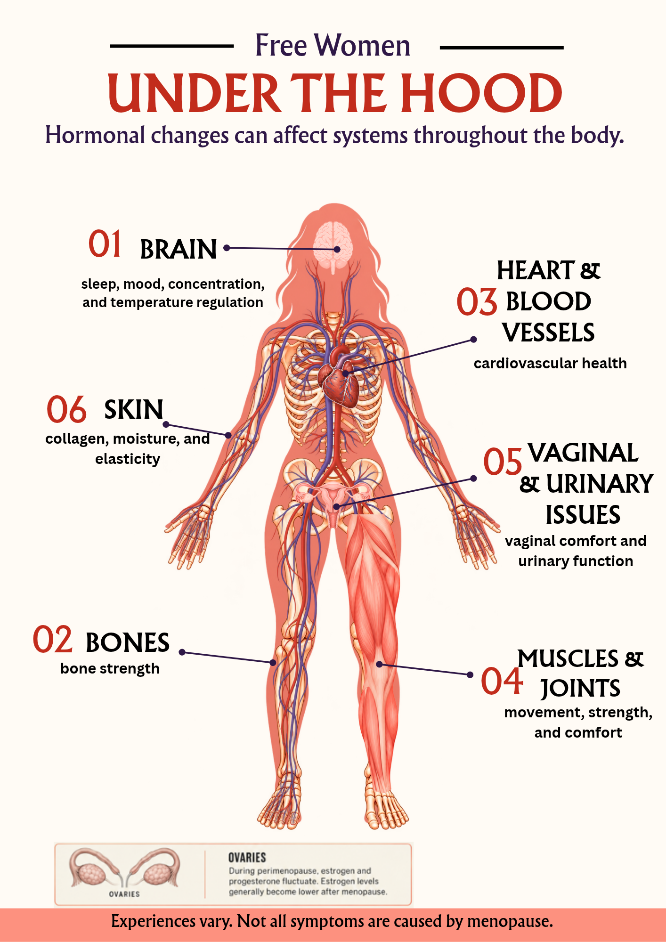
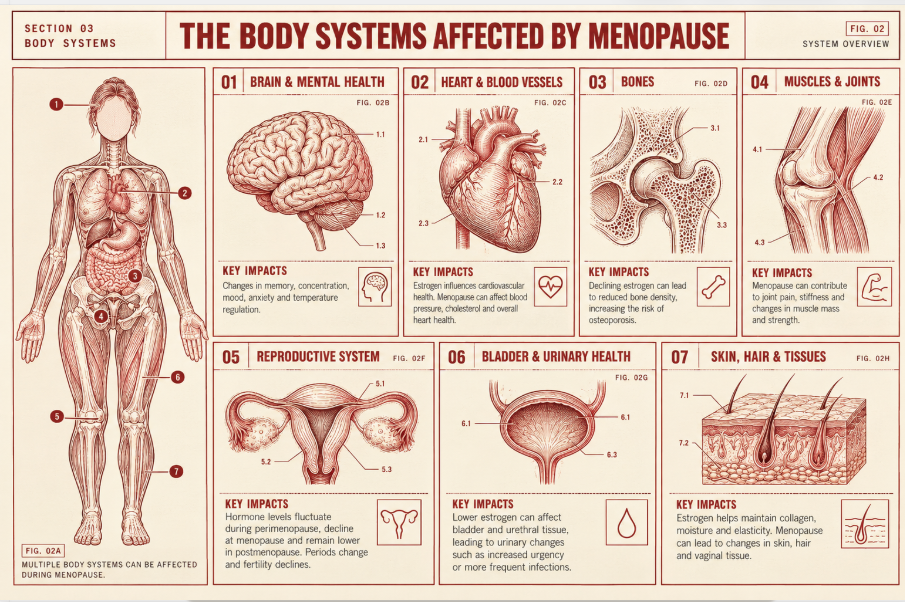
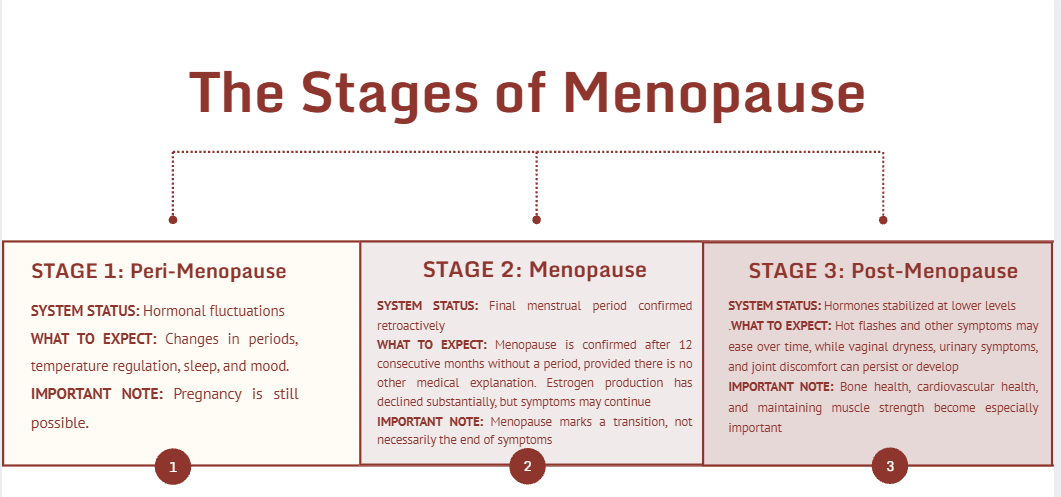
Hormones fluctuate, periods may change, and symptoms can appear. This phase often begins in the 40s, sometimes earlier, and can last several years.
Menopause is reached when a woman has gone 12 consecutive months without a period, assuming there's no other medical explanation.
After that point, some symptoms settle while others can persist, and changes in bone health, cardiovascular risk, and vaginal and urinary health become increasingly important.
Common symptoms and practical support
Common symptoms, what causes them, and how you can help.
There are dozens of symptoms associated with menopause. Some are obvious. Others are much less well recognized.
Here's a practical guide to some of the most common. One reminder before you start: not every change is caused by menopause, and not every mood is hormonal. Whatever the cause, if something is bothering her, take it seriously.
What you might notice
She's suddenly hot when everyone else is comfortable. She's throwing off the duvet, opening windows in winter, or waking up drenched in sweat.
What's happening
Changes in estrogen affect the hypothalamus, the part of the brain that helps regulate body temperature. Her body can respond to tiny temperature changes as though it's overheating.
Hot flashes and night sweats can last for years, sometimes well beyond menopause.
What you can do
What you might notice
She's awake at 3 a.m., struggling to fall asleep or waking up exhausted despite spending eight hours in bed.
What's happening
Hormonal changes, night sweats, anxiety, and other factors can interfere with sleep.
And poor sleep doesn't stay in the bedroom. It affects concentration, mood, energy, and physical health.
What you can do
What you might notice
She forgets why she walked into a room, loses her train of thought, or struggles to find a familiar word.
What's happening
Hormonal changes can affect cognitive function. Disrupted sleep, stress, and fatigue may make things worse.
For a woman who's always been organized, capable, and mentally sharp, these changes can be frightening.
What you can do
What you might notice
She seems more anxious, irritable, tearful, or overwhelmed. Perhaps things that never bothered her before now feel intolerable.
What's happening
Estrogen influences brain systems involved in mood and stress responses. Hormonal fluctuations, poor sleep, and existing life pressures can all contribute.
But here's something important.
Not every emotion is hormonal.
Sometimes she's angry because something genuinely needs to change.
What you can do
What you might notice
She's complaining about stiff joints, aching muscles, headaches, or persistent tiredness.
Activities she once found easy may feel harder.
What's happening
Joint and muscle symptoms are common during menopause. Hormonal changes, aging, sleep disruption, and other health conditions can all contribute.
Changes in muscle mass and body fat distribution can also occur around midlife.
What you can do

What you might notice
Sex may become less frequent, uncomfortable, or painful. She may be less interested in physical intimacy or want affection without sex.
What's happening
Declining estrogen can affect vaginal and vulval tissues, causing dryness, irritation, and reduced elasticity.
This is part of a condition called genitourinary syndrome of menopause, or GSM.
Sexual desire can also be affected by fatigue, stress, relationship dynamics, and other hormonal changes.
Painful sex isn't something she should simply endure.
What you can do
And no, buying flowers isn't a substitute for having a conversation. Although flowers probably won't hurt.

What you might notice
She's visiting the bathroom more frequently, experiencing urgency, leaking urine, or having repeated urinary tract infections.
What's happening
Estrogen helps maintain healthy tissues around the vagina, bladder, and urethra. As levels decline, these tissues can become more vulnerable to irritation and urinary symptoms.
What you can do
What you might notice
She's gaining weight, particularly around her waist, even though her eating habits haven't changed much.
Clothes that fit comfortably may suddenly feel tight. Her body shape may be changing, and she might be frustrated that the things she's always done to manage her weight no longer seem to work as well.
What's happening
During the menopause transition, declining estrogen is associated with a shift in where the body stores fat, with more accumulating around the abdomen rather than the hips and thighs.
Age-related muscle loss, changes in physical activity, sleep, and metabolism can also contribute to weight gain.
This isn't simply about willpower.
And abdominal fat isn't just a cosmetic concern. Excess visceral fat, which accumulates around internal organs, is associated with increased risks of cardiovascular disease and type 2 diabetes.
What you can do
For partners
You fell in love with her once. You might get to discover her all over again.
Here's something that doesn't get discussed enough.
Menopause isn't only about physical symptoms.
Midlife can also be a period of reassessment. Children may be growing up. Careers may be changing. Parents may need care. Priorities shift.
And some women begin asking themselves what they want from the next chapter of life.
She may be more confident about expressing her needs. Less willing to compromise on things that matter. More interested in her own health, happiness, and independence.
Some of this may coincide with hormonal changes. Some of it is simply the perspective that comes from decades of experience.
Either way, it can change a relationship.
Physically, things may be different.
Her body, her comfort, and how she feels about her appearance may all change, even if you still find her just as attractive. (There's more detail in 02.6 and 02.8 above.) Don't assume how she feels. Keep showing affection, offer reassurance when it's welcome, and remember that intimacy is about much more than appearance.
She may want more sex, less sex, or a different kind of intimacy. There's no universal pattern.
The important thing is to talk, listen, and explore what feels good for both of you.
Emotionally, things may be different too.
She may want more time for herself, clearer boundaries, or a fresh look at how responsibilities are shared. If you already share the load well, that's a real head start. If not, this is a good moment to talk about it.
This isn't necessarily a crisis.
It could be an opportunity to understand each other better.
The woman you love isn't disappearing. She's navigating a transition. You can navigate it together.
You don't need to ask all five over dinner.
This isn't an annual performance review.
This can be hard to watch, and sometimes hard to be on the receiving end of. It's okay to find it difficult, to feel unsure what to say, or to miss how things used to be. Those feelings are normal, and they're yours to manage, not hers. Talk to a friend, or to your own doctor if you need to.
And remember: asking how you can help is a good start. You don't need to get it perfect.
Supporting someone beyond your partner
Not her partner? This is your section. The core ideas in Sections 01, 02, and 05 to 07 apply to everyone.
Remember that she may have experienced menopause years ago, but some symptoms, particularly vaginal and urinary problems, can persist or develop later.
Be supportive without assuming she wants to discuss her personal health with you.
Menopause usually happens in midlife, but some women experience early menopause (before 45) or premature ovarian insufficiency (before 40).
This can be particularly challenging, especially when fertility, relationships, and future plans are involved.
Listen, respect her choices, and don't assume she's too young.
Sometimes being a good brother means listening, taking her concerns seriously, and resisting the urge to solve everything.
You don't have to understand every symptom to understand that it matters.
Be the person who can have a conversation about menopause without embarrassment. Sometimes the most useful response is simply, "That sounds rough. How are you doing?"
Menopause can affect concentration, sleep, confidence, and comfort at work. Practical adjustments such as temperature control, flexible work arrangements, access to drinking water and washrooms, and supportive conversations can make a difference.
Don't assume someone is experiencing menopause or ask intrusive questions. Focus on creating a workplace where people can discuss health-related needs without embarrassment or disadvantage.
Take concerns seriously
Menopause is a normal life transition, but that doesn't mean every symptom should be ignored.
Some symptoms deserve medical attention, particularly when they are new, severe, or interfering with daily life.
Encourage her to speak with a health care professional about:
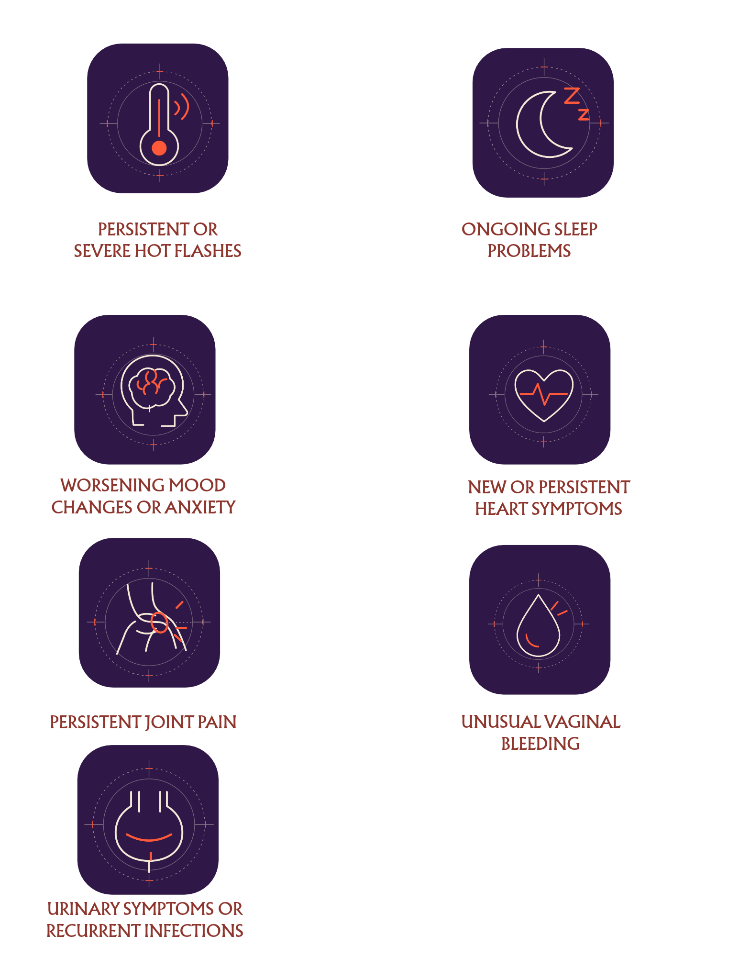
 Heavy or prolonged menstrual bleeding.Any vaginal bleeding after menopause.Persistent or worsening depression or anxiety.Significant memory changes.Recurrent urinary symptoms or painful sex.Persistent fatigue, pain, or other unexplained changes.
Service options
This is not a case of waiting for the problem to go away.
Menopause is natural. Suffering through debilitating symptoms isn't compulsory.
Depending on her symptoms, health history, and preferences, options may include:
Estrogen-based treatment, often combined with a progestogen for women who have a uterus, can be highly effective for hot flashes and night sweats and may help with other symptoms.
Benefits and risks depend on individual circumstances.
Vaginal estrogen, moisturizers, and lubricants can help manage dryness, discomfort, and some urinary symptoms.
There are alternatives for some symptoms, including hot flashes, when hormone therapy isn't suitable or preferred.
Physical activity, strength training, sleep support, balanced nutrition, and psychological therapies can all have a role.
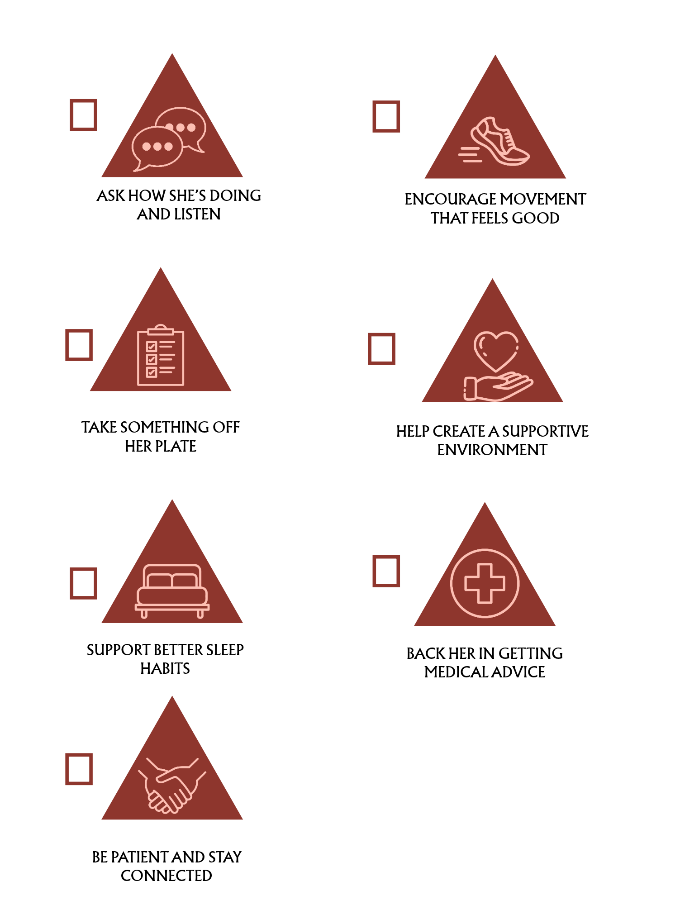
Seven things you can do today
Seven things you can do starting today.

Listen. Ask how she's feeling rather than assuming.
Learn. Understand the basics of menopause and its symptoms.

Share. Take responsibility for household tasks and the mental load.

Adapt. Be flexible about sleep, intimacy, and changing needs.
Respect. Don't make jokes at her expense or dismiss her experiences.

Encourage. Support access to reliable information and health care when needed.

Stay connected. Keep talking, laughing, and finding things you enjoy together.
You don't need to get everything right.
You just need to care enough to keep learning.
Final workshop notes
There's no standard menopause experience.
Some women sail through with few symptoms. Others find the transition profoundly disruptive.
Some want to talk about it. Others would rather keep their experiences private.
The important thing is not to assume.
She's not broken. She doesn't need fixing.
But understanding what's happening, and being willing to help, can make an enormous difference.
And who knows? You might discover that this next chapter brings you closer than ever.
Understanding changes. Supporting choices.
Free Women is here to cut through the confusion, questionable advice, and downright BS surrounding menopause.
We provide accessible, evidence-based information to help women understand their bodies, explore their options, and make informed choices.
And because menopause doesn't happen in isolation, we believe the people around women deserve good information too.
Explore Free Women | Share this guide with someone who needs it | Get the printable Men's Guide to Menopause
Free Women. Changing the narrative of menopause. #wearefreewomen
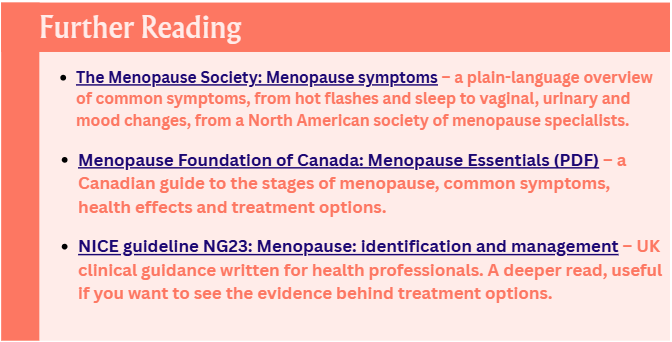
Go deeper
Want to go deeper? These are good places to start.
Spotted something wrong? Send feedback or suggest a paper.
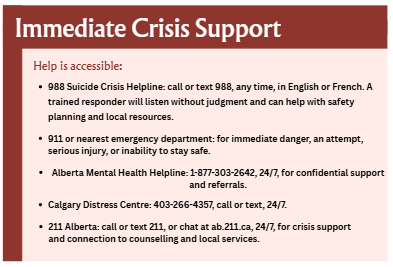
Source wording is preserved. Medical claims, evidence ratings, supplement advice, crisis-resource details and bracketed placeholders require review before publication. Unconfirmed offers and destinations are not active links.
This page provides general educational information. It does not diagnose any condition and is not a substitute for advice, diagnosis or treatment from a qualified healthcare professional who knows your circumstances. Do not start, stop or change prescribed treatment on the basis of this page.
Know someone who would find this useful? Send them a link to this page.